



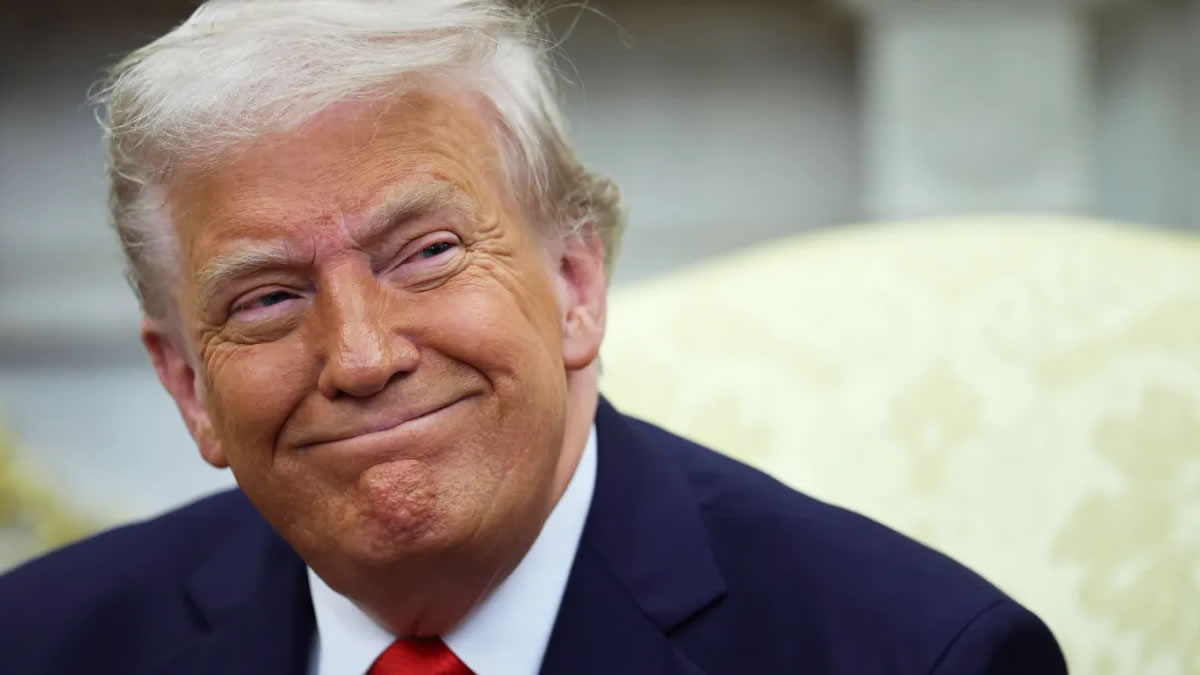
President Donald Trump signed a significant executive order on Thursday, directing the federal government to reclassify marijuana from a Schedule I to a Schedule III controlled substance. This move marks a major shift in federal drug policy, acknowledging the potential medical benefits of cannabis while explicitly stopping short of legalizing recreational use.
Currently, marijuana sits in Schedule I, the most restrictive category, defined by a high potential for abuse and no accepted medical value. The reclassification to Schedule III would place it alongside drugs like Tylenol with codeine and anabolic steroids—substances recognized as having medicinal uses despite some abuse potential. "The facts compel the federal government to recognize that marijuana can be legitimate in terms of medical applications when carefully administered," Trump stated during the Oval Office signing, flanked by medical doctors and officials.
The President emphasized that this order "doesn’t legalize marijuana in any way, shape or form and in no way sanctions its use as a recreational drug." Instead, the primary goal is to facilitate medical research, which has been severely hampered by Schedule I restrictions. "This reclassification order will make it far easier to conduct marijuana-related medical research, allowing us to study benefits, potential dangers and future treatments," Trump explained.
The decision has drawn mixed reactions. Colorado Governor Jared Polis praised the step but called for further reforms to align federal law with states where cannabis is legal. Paul Armentano of NORML offered qualified praise, noting it "validates the experience" of patients but arguing it falls short of harmonizing federal policy with state laws. The move could also provide significant tax relief to marijuana businesses currently barred from standard deductions.
However, the order faces opposition from within the GOP. A letter signed by 24 Senate Republicans urged Trump against reclassification, arguing marijuana has a high likelihood of abuse and no medical value. They expressed concern that tax breaks for the industry would fuel marketing and expansion, outweighing economic benefits with social costs. Despite this, the order represents a pivotal moment in the decades-long evolution of U.S. cannabis policy.

Digital Content Creator & Vape Industry Analyst
Jake Miller is a prominent voice in the American vaping community, known for his transparent, tech-focused approach to harm reduction and hardware innovation. With over six years of experience in the industry, Tyler transitioned from a hobbyist to a full-time content creator, building a loyal following through his unfiltered reviews and deep-dive technical tutorials.