



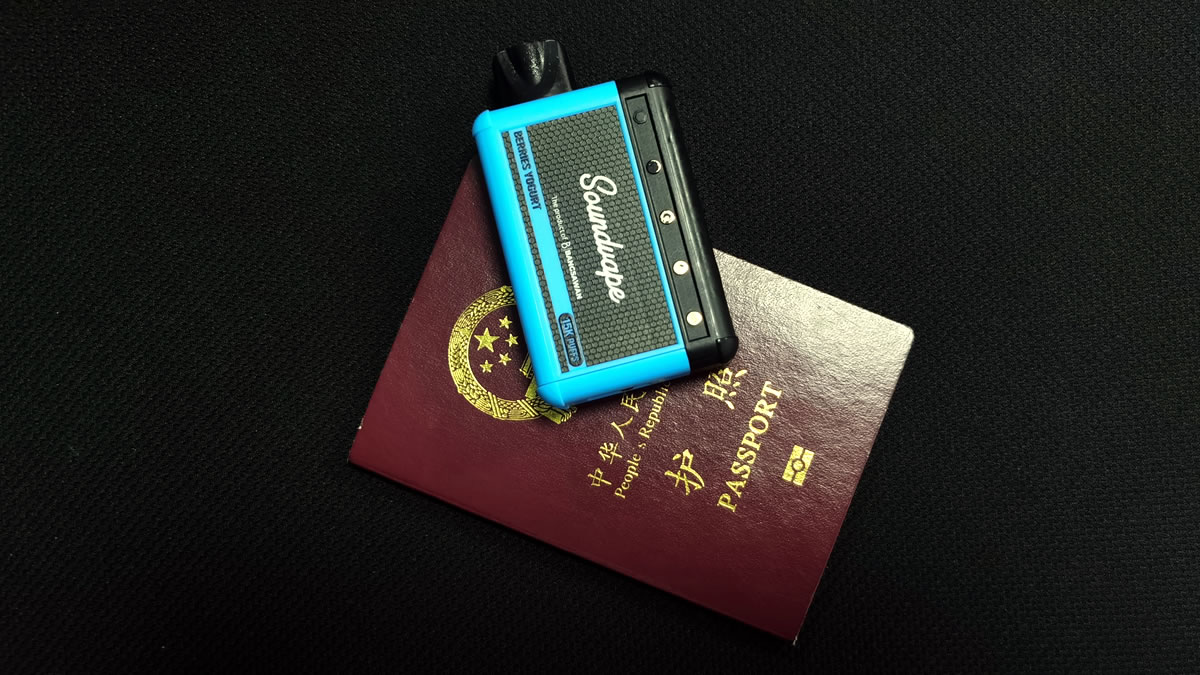
As the festive season approaches, the excitement of jetting off for a Christmas or New Year break is palpable. With an estimated five million Britons expected to travel abroad during the holiday period, and a staggering 23 million trips projected for the final quarter of 2025, airports are set to be bustling hubs of activity. However, amidst the rush of packing gifts and finalizing itineraries, there is a crucial, often overlooked detail that could turn a dream holiday into a financial nightmare for vapers: the complex and strictly enforced world of international vaping regulations. Experts are issuing urgent warnings that ignorance of these "hidden" rules is not a valid defense, and the penalties can be severe, reaching up to £5,000.
The Global Patchwork of Vaping Laws: Know Before You Go
The global landscape for vaping is far from uniform. While e-cigarettes are a common sight on UK high streets, the situation abroad can be drastically different. Matthew Ma, Director of Ecigator, emphasizes that regulations are in a constant state of flux as countries grapple with how to manage these products. "It’s crucial for vapers to check the local vaping laws of their destination before booking their trip," Merchant advises. "To avoid potential fines, or even more severe consequences if vaping is banned in that country."
Destinations with Strict Bans
For some popular winter sun destinations, the rules are draconian. Travelers heading to Thailand or Singapore, for instance, need to be acutely aware that these countries have implemented total bans on vaping. This isn't just about sales; possession alone can be a criminal offense. In Thailand, being caught with a vape can lead to heavy fines and even the threat of imprisonment (up to 10 years in extreme cases), a harsh reality that has caught out unwary tourists in the past. Similarly, Singapore enforces strict penalties for possession, purchase, and use, with fines of up to $2,000 SGD.
Europe: Not Always Vape-Friendly
Even closer to home, European destinations have specific nuances that can trip up travelers.
- Cyprus: While a popular holiday spot, Cyprus has strict rules regarding public use. Vaping in public areas is restricted, and crucially, it is illegal to vape in a private vehicle if a child under 18 is present. Violating this rule can result in a fine of up to €850 (approximately £744).
- Hungary: Here, vaping is treated very similarly to smoking. Using e-cigarettes in designated non-smoking public spaces can lead to fines of up to $980 (around £732). The sale of vape products is also heavily state-controlled.
These examples highlight why assuming rules are similar to the UK is a risky strategy. A quick check of the Foreign Office travel advice or specific country guides is essential preparation.
The Dangers of the Black Market Abroad
Another layer of risk involves sourcing products once you arrive. In countries with strict regulations or bans, a black market often fills the void. Merchant points out a concerning trend: "The illegal vape trade has grown in countries where vaping is under strict regulation and mirrors the issues once prevalent in the cigarette black market."
Relying on purchasing vapes in these destinations can expose travelers to unregulated, untested, and potentially dangerous products. These illicit vapes may contain harmful ingredients, incorrect nicotine levels, or faulty batteries. To mitigate this, the advice is clear: if you are traveling to a country where vaping is legal but regulated (like permitting personal imports), bring your own supplies. Packing enough of your trusted device and e-liquids for personal use ensures you aren't forced to turn to dodgy local sellers. However, always check the specific allowance limits for personal use to avoid customs issues.
Air Travel: The £5,000 Mistake You Must Avoid
The regulations don't just apply when you land; the journey itself is subject to strict international aviation laws. One rule is absolute: Vaping on board an aircraft is strictly prohibited.
Despite this, incidents of passengers attempting to vape in airplane toilets continue to occur, often triggering sensitive smoke detectors. The consequences are severe. Airlines take a zero-tolerance approach to anything that endangers flight safety. Being caught vaping on a plane can lead to:
- Fines of up to £5,000.
- Confiscation of the device.
- Being met by police upon landing.
- A potential lifetime ban from the airline.
It is simply not worth the risk. For the duration of the flight, vapes must remain packed away.
Packing Your Vape: Safety First
How you pack your vape is just as important as not using it. The rules for transporting e-cigarettes are dictated by safety concerns regarding lithium-ion batteries.
- Carry-On Only: All vape devices and spare lithium batteries must be packed in your hand luggage (carry-on). They are strictly prohibited in checked baggage that goes into the hold.
- Why? The cargo hold is an unmonitored, depressurized environment. If a lithium battery were to malfunction and enter "thermal runaway" – a process where the battery overheats and can catch fire or explode – it could cause a catastrophic fire that automatic suppression systems might struggle to contain. In the cabin, crew are trained to deal with such incidents immediately.
- E-Liquids: As with all liquids, vape juices in your carry-on must be in containers of 100ml or less and fit within your single clear plastic bag for security screening. Larger bottles must go in checked luggage.
Merchant reiterates, "This ensures they remain in a pressure-controlled environment... In recent months, numerous airlines have intensified their policies." Failing to pack correctly can lead to your bags being delayed, your devices being confiscated and destroyed, or you being called back to security to remove them.
Conclusion: Travel Smart, Vape Safe
As the festive travel rush begins, a little preparation goes a long way. The message for vapers is not to stop vaping, but to be a smart, informed traveler. Research your destination's specific laws, pack your devices safely in your hand luggage, and strictly adhere to the no-vaping rules on board. By taking these simple steps, you can avoid the stress of fines, legal trouble, or safety incidents, ensuring your Christmas holiday remains a time of celebration rather than a costly lesson in international law.

Digital Content Creator & Vape Industry Analyst
Jake Miller is a prominent voice in the American vaping community, known for his transparent, tech-focused approach to harm reduction and hardware innovation. With over six years of experience in the industry, Tyler transitioned from a hobbyist to a full-time content creator, building a loyal following through his unfiltered reviews and deep-dive technical tutorials.