




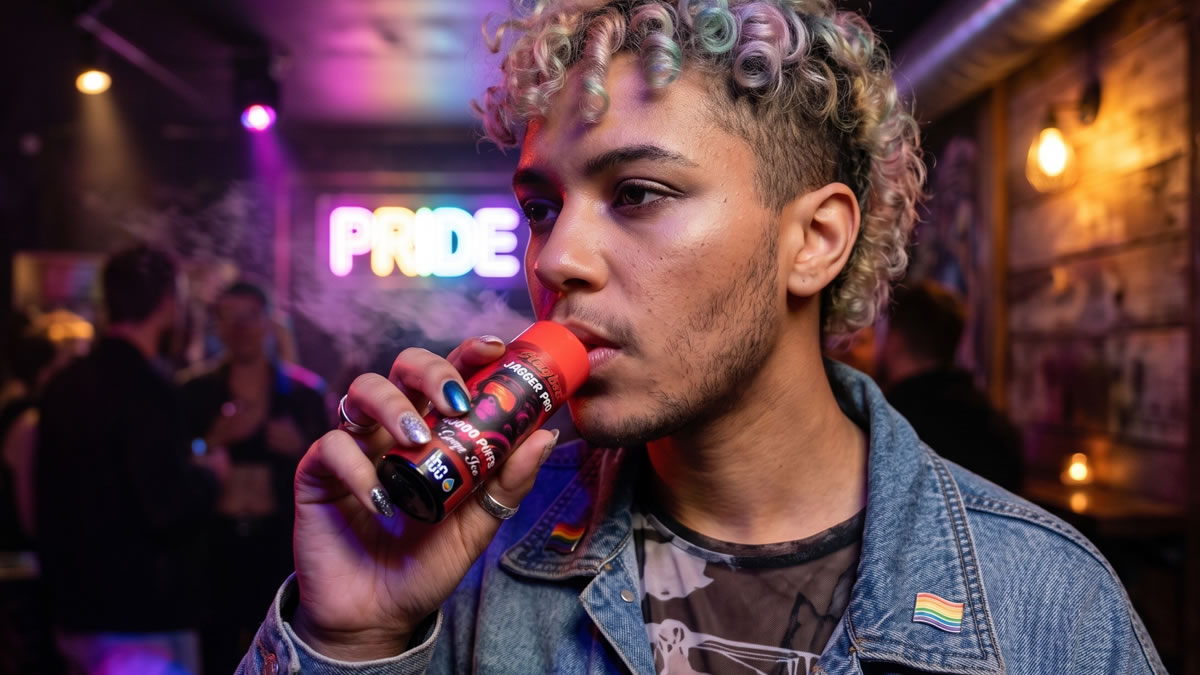
A new economic study reveals that while e-cigarette taxes successfully reduce vaping among heterosexual teens, they fail to decrease usage among lesbian, gay, bisexual, and questioning (LGBQ) youth who often rely on nicotine to cope with stress and bullying.
- Disproportionate Usage: LGBQ youth vape at rates over 30% higher than their heterosexual peers.
- Ineffective Taxation: A $1 tax increase reduced vaping by 3-4% in heterosexual teens but showed no impact on LGBQ teens.
- Underlying Stressors: The tax only proved effective for LGBQ youth who did not report experiencing bullying or sadness, highlighting nicotine's role as a coping mechanism.
Wake Forest University researchers have confirmed that state-level e-cigarette taxes do not universally reduce teen vaping. Occurring against the backdrop of a nationwide effort to curb youth nicotine addiction, this study reveals that price hikes fail to deter LGBQ youth who rely on vaping to manage emotional struggles.
Over the past decade, more than 30 U.S. states and various municipalities have implemented excise taxes on electronic nicotine delivery systems (ENDS) to combat youth vaping. In 2024, over 1.6 million middle and high school students reported using e-cigarettes.
However, research led by Wake Forest Associate Professor of Economics Erik Nesson demonstrates that economic deterrents yield uneven results. Utilizing CDC Youth Risk Behavior Survey data from 2015 to 2023, the team analyzed the impact of taxation across different demographics.
The findings highlight a stark divide in policy effectiveness:
- Heterosexual Youth: A one-dollar tax increase successfully reduced prior-month vaping by 3 to 4 percentage points.
- LGBQ Youth: The same tax increase left usage rates essentially unchanged, despite this demographic already vaping at significantly higher rates.
Researchers pinpointed emotional distress as the primary driver of this disparity. For many LGBQ teens, nicotine serves as a coping mechanism for isolation and bullying. Consequently, a simple price increase is insufficient to prompt cessation.
"We found that for LGBQ youth who did not report bullying or sadness, the taxes reduce vaping to a similar degree as among heterosexual youth," Nesson explained. "However, for LGBQ youth who self-reported struggles, the tax had no statistically significant effect on vaping."
The study concludes that policymakers must recognize the limitations of blanket economic strategies. Developing effective tobacco control policies requires addressing the underlying mental health stressors that drive nicotine dependence in vulnerable youth populations.

