



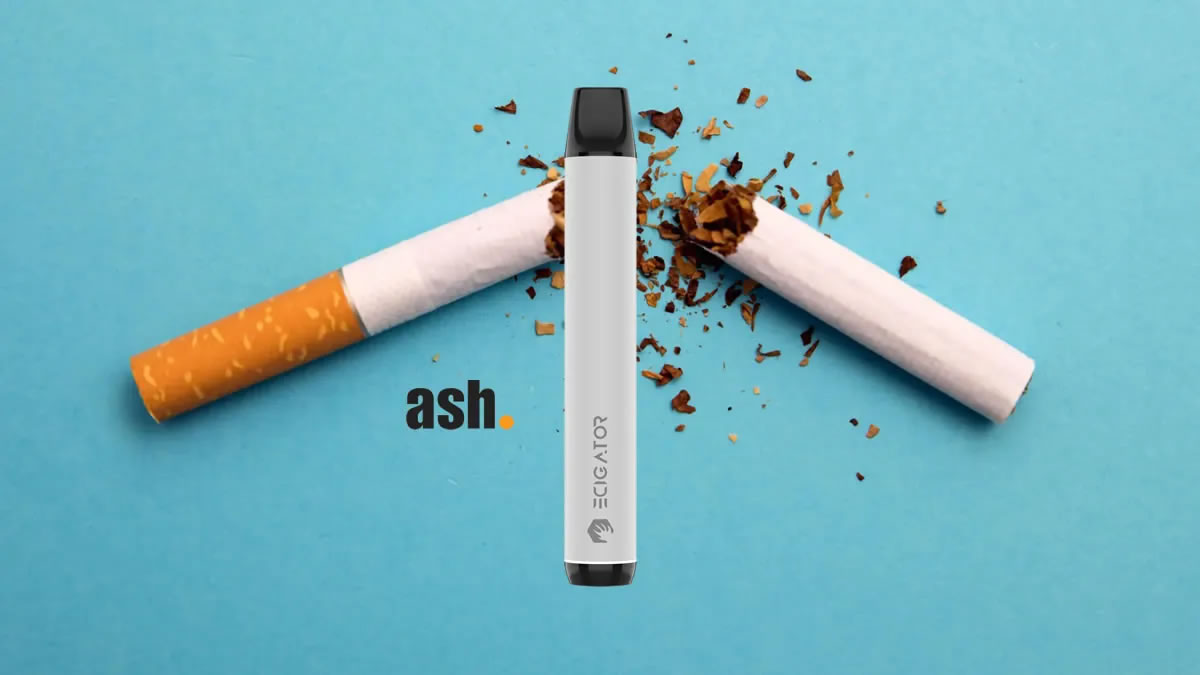
A comprehensive "review of reviews" published in the journal Addiction confirms that nicotine e-cigarettes are significantly more effective for smoking cessation than traditional Nicotine Replacement Therapies (NRTs) like patches or gum. The analysis, co-led by Jamie Hartmann-Boyce, Assistant Professor of Health Policy and Management at the University of Massachusetts Amherst, evaluated 109 primary studies from 2014 to 2023. The data reveals that vaping leads to long-term quit rates (lasting at least six months) that are 20% to 40% higher than conventional NRTs.
The Science of Sensory Addiction
The striking consistency across a decade of research highlights a critical flaw in traditional cessation tools: they ignore the behavioral mechanics of addiction. While a nicotine patch delivers the chemical, it fails to satisfy the psychological habits ingrained in smokers. Hartmann-Boyce points to neuroimaging studies demonstrating that addiction relies heavily on sensory cues. Vaping successfully mimics the "throat hit," the hand-to-mouth motion, and the visual exhale of combustible tobacco, engaging the brain's addiction pathways in a way that gum or patches simply cannot.
Furthermore, the study found that the presence of nicotine is vital to this success. E-cigarettes containing nicotine demonstrated quit rates at least 46% higher than non-nicotine placebos or zero-nicotine vapes. This robust data set effectively ends the scientific debate on whether vaping aids cessation.
Harm Reduction vs. Public Health Concerns
Despite the overwhelming evidence supporting e-cigarettes as an off-ramp for adult smokers, industry skepticism remains focused on youth uptake. Hartmann-Boyce acknowledges this tension, noting that the very sensory features making vapes effective for quitting also make them appealing to non-smokers. However, she stresses that this dual reality does not negate their clinical value.
From a harm reduction perspective, the economic and physiological trade-offs heavily favor switching. While vaping is not risk-free, its dangers "pale in comparison" to the 7,000 chemicals found in combustible tobacco. This benefit extends to bystanders; the study reiterates that secondhand vapor is significantly less harmful than secondhand smoke, reducing the collateral damage of nicotine addiction.
| Cessation Method Comparison | Efficacy (Quit Rates > 6 Months) | Sensory Satisfaction |
|---|---|---|
| Nicotine E-Cigarettes vs. NRTs (Patches/Gum) | +20% to 40% Higher | High (Mimics smoking behavior) |
| Nicotine Vapes vs. Zero-Nicotine Vapes | +46% Higher | High (Provides chemical relief) |
| Nicotine Vapes vs. Varenicline (Chantix) | Inconclusive (Requires further study) | Varies by patient |
The Next Frontier: Vaping vs. Prescription Drugs
While e-cigarettes have proven superior to over-the-counter NRTs, their comparative effectiveness against prescription medications like Varenicline (Chantix) remains unresolved. These nicotine receptor partial agonists operate differently, chemically blocking withdrawal cravings and smoking satisfaction. The UMass Amherst team concluded that current literature lacks sufficient head-to-head trials to declare a definitive winner between vaping and prescription-strength pharmaceuticals, marking this as the critical next phase for tobacco control research.

Digital Content Creator & Vape Industry Analyst
Jake Miller is a prominent voice in the American vaping community, known for his transparent, tech-focused approach to harm reduction and hardware innovation. With over six years of experience in the industry, Tyler transitioned from a hobbyist to a full-time content creator, building a loyal following through his unfiltered reviews and deep-dive technical tutorials.