



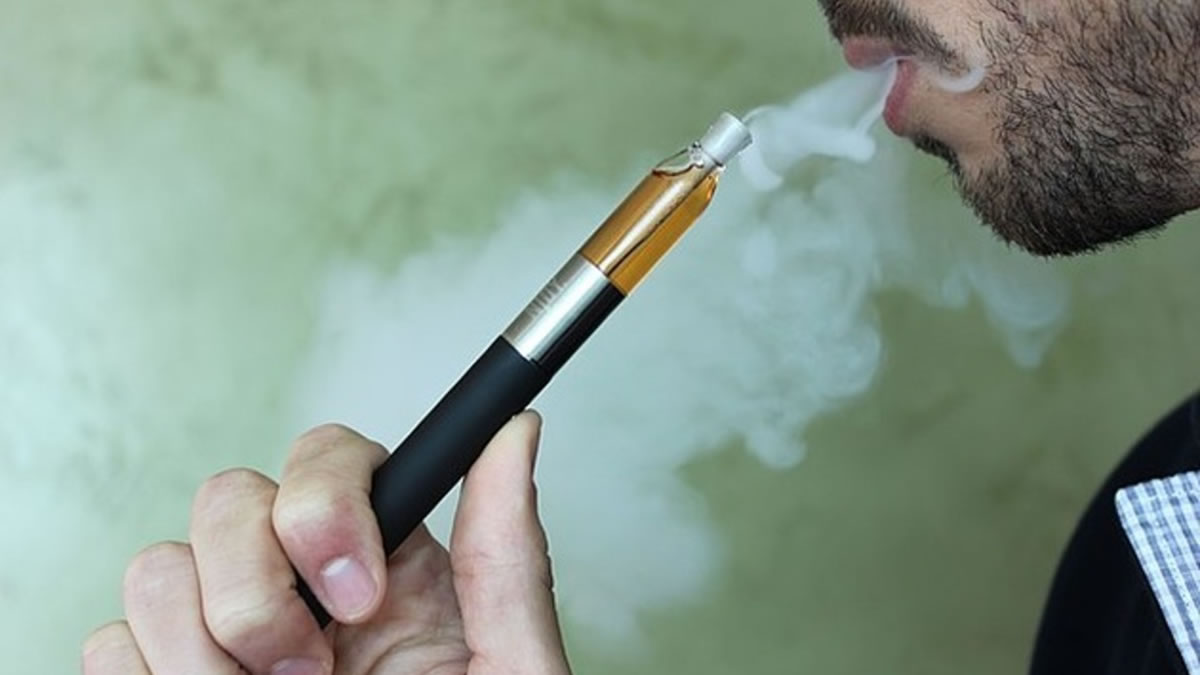
Mexico's total ban on the sale of electronic cigarettes has inadvertently strengthened organized crime, handing a $1.5 billion market to drug cartels. By criminalizing legal sales, the government has created a vacuum that cartels are filling through intimidation, violence, and illicit distribution networks, often repackaging products without safety standards.
Key Takeaways:
- Cartel Takeover: Criminal groups are seizing vape shops and forcing owners to sell illicit stock.
- Legal Void: The ban eliminates legal competition, creating a lucrative revenue stream for cartels.
- Severe Penalties: New laws impose up to 8 years in prison, driving legitimate sellers out of business.
- Public Health Risk: Unregulated black market sales increase risks of adulterated products and youth access.
Legal experts and shop owners have confirmed that Mexico's sweeping ban on vape sales is driving the market underground. This development occurs amidst a climate of rampant cartel violence, directly resulting in organized crime groups consolidating control over the electronic cigarette trade.
From Legal Business to Cartel Territory
The transition from a legal industry to a cartel-controlled operation has been brutal. In early 2022, even before the total ban, armed men linked to a cartel abducted employees from a northern Mexico vape store, blindfolding them to send a message to the owners: the cartel was taking over.
"They don't come asking whether you want to... they come telling you what's about to happen," recounted one owner who has since fled to the United States. With the new law now in effect, experts like Zara Snapp of the Ría Institute warn that "by banning it, you're handing the market to non-state groups."
The Legal Crackdown: A Constitutional Ban
The prohibition is the culmination of a years-long effort started by former President López Obrador. After initial bans were struck down by the Supreme Court, a constitutional amendment was passed in January 2025 under President Claudia Sheinbaum. This amendment controversially groups e-cigarettes with deadly opioids like fentanyl.
A new law enacted in December closed previous loopholes, introducing severe penalties:
| Violation | Penalty | Impact |
|---|---|---|
| Sale/Distribution | Up to 8 years in prison | Legitimate businesses are closing to avoid jail. |
| Possession (Ambiguous) | Fines / Potential Extortion | Consumers fear corrupt authorities will use vague laws to extort them. |
Organized Crime's Grip on the Market
As legitimate sellers like Aldo Martínez in Mexico City close their doors to avoid prison, cartels are stepping in. Reports indicate that groups like the Jalisco New Generation Cartel and the Sinaloa Cartel are active in the black market, sometimes even repackaging Asian vapes with their own branding.
Lawyer Alejandro Rosario notes that intimidation has forced many of his clients out of business. "I have lost about 40% of my clients," he stated. The cartels view vapes as a low-risk, high-reward revenue stream, especially since the products remain legal just across the border in the U.S., making cross-border enforcement a lower priority for American authorities.
Public Health Paradox
While the government frames the ban as a measure to protect youth, critics argue it achieves the opposite. "Those selling cocaine, fentanyl, and marijuana are selling you vapes," noted lawyer Juan José Cirión Lee, emphasizing that criminal dealers do not check IDs. Unlike the U.S., where regulation has led to a decade-low in youth vaping, Mexico's prohibition approach risks replicating the failures of other countries where black markets thrive unchecked.

Digital Content Creator & Vape Industry Analyst
Jake Miller is a prominent voice in the American vaping community, known for his transparent, tech-focused approach to harm reduction and hardware innovation. With over six years of experience in the industry, Tyler transitioned from a hobbyist to a full-time content creator, building a loyal following through his unfiltered reviews and deep-dive technical tutorials.