



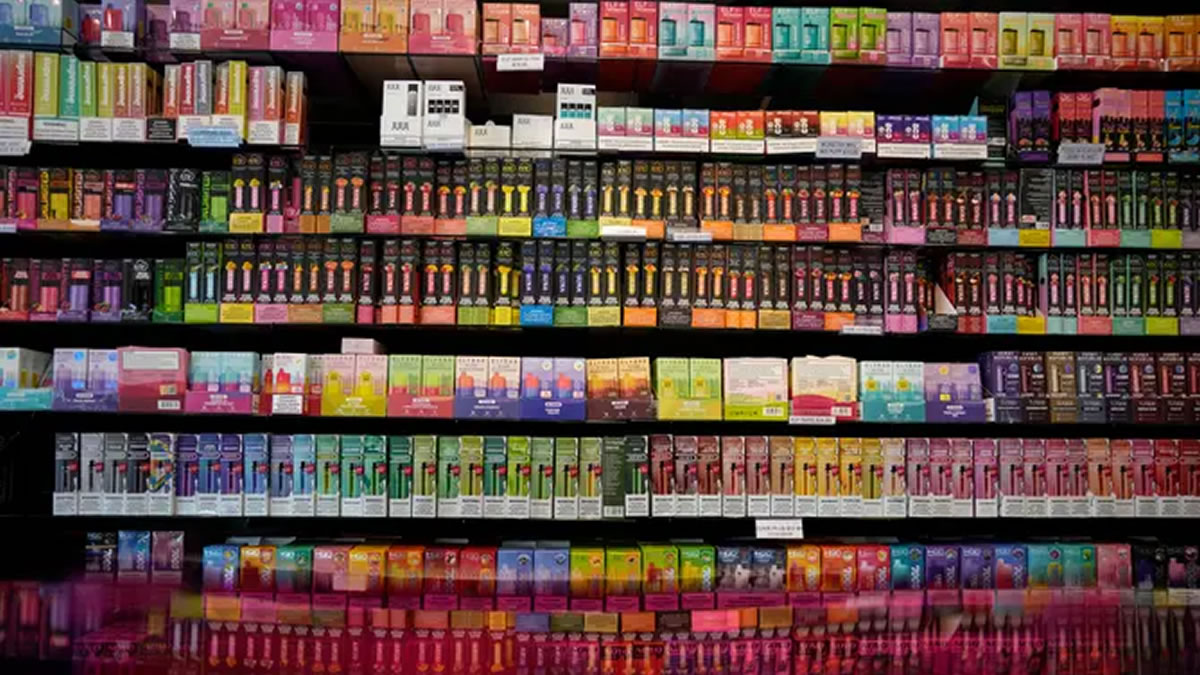
Pennsylvania has enacted its first major legislation to tackle the vaping crisis, but experts warn the new law may be more bureaucratic than effective. Act 57 establishes a statewide registry for electronic nicotine delivery systems (ENDS), requiring manufacturers to certify FDA authorization or pending status by spring 2025. While bipartisan supporters claim this will remove dangerous, unregulated products from shelves, critics argue that significant loopholes, underfunding, and a lack of flavor restrictions doom the initiative to failure.
Key Takeaways
- The Registry Mandate: Manufacturers must register with the Attorney General; only FDA-authorized or pending products can be sold.
- The Loophole: The law allows products with "pending" FDA applications to remain on the market, potentially protecting tens of thousands of unverified vapes.
- Enforcement Gap: The AG's office has a budget of just $1.3 million for enforcement, compared to New York's $40 million.
- Retailer Risk: Stores selling unregistered products face fines of up to $1,500 per day per vape starting in October.
- Flavor Failure: Public health experts argue the law fails to address the root cause of youth vaping: flavored products, which remain legal if registered.
The "Pending" Loophole and Enforcement Reality
While the law aims to filter out illicit products, it permits vapes that are currently under FDA review or appealing a denial to remain on the registry. Former federal tobacco regulator Mitch Zeller notes that due to a massive backlog of applications, "tens of thousands of products can still qualify." This effectively allows many of the same products targeted by the law to stay on shelves legally, provided paperwork is filed.
Furthermore, the financial commitment to enforcement is starkly low. The Office of Attorney General projects annual operating costs of approximately $1.3 million. In contrast, neighboring New York allocates roughly $40 million annually for tobacco enforcement. Without robust funding, the ability to police thousands of retailers and verify manufacturer claims remains questionable.
Public Health vs. Industry Pushback
State Rep. Jeanne McNeill argues that while youth vaping cannot be stopped entirely, the law ensures available products are "safer." However, public health advocates like Jeffrey Drope from Johns Hopkins Bloomberg School of Public Health question the utility of registry laws altogether. They argue that a comprehensive flavor ban would be far more effective at reducing youth access, noting that 1 in 4 Pennsylvania high school seniors have tried vaping.
On the industry side, the Vapor Technology Association predicts the law will backfire. Executive Director Tony Abboud warns that restricting legal access won't lower demand; instead, it will push consumers toward an unregulated, untaxed black market where product safety is non-existent.
Comparison Matrix: Act 57 vs. Public Health Goals
The following table contrasts the legislative intent with the practical realities identified by experts.
| Feature | Legislative Intent (Act 57) | Expert Critique |
|---|---|---|
| Product Eligibility | Only FDA-authorized/pending vapes. | "Pending" status protects thousands of unverified products. |
| Youth Prevention | Remove unsafe/unregulated vapes. | Fails to ban flavors, the primary driver of youth use. |
| Enforcement | AG office monitors registry. | $1.3M budget is insufficient for statewide policing. |
| Market Impact | Stabilize legal market. | Likely fuels black market growth (VTA prediction). |
The Missing Flavor Ban
A deep dive into the legislative history shows that Act 57 is a compromise that avoided the "third rail" of tobacco politics: flavor bans. Rep. McNeill admitted her previous attempts to ban flavors "hit a wall" and were deemed impossible to pass. Consequently, the new registry will likely include flavored products that have pending FDA applications, leaving the most appealing aspect of vaping for teens largely untouched. Lynn Silver of the Public Health Institute explicitly states that the bill "falls short on protecting our youth" by ignoring the flavor issue.
Will my favorite vape be banned in PA?
If your preferred brand has not submitted a PMTA to the FDA, it will likely be removed from shelves by October. However, major brands with pending applications will remain legal, meaning many popular disposables may survive the purge.
- Reference: A new Pa. law aimed at keeping unregulated vapes out of the hands of kids may not actually work

Digital Content Creator & Vape Industry Analyst
Jake Miller is a prominent voice in the American vaping community, known for his transparent, tech-focused approach to harm reduction and hardware innovation. With over six years of experience in the industry, Tyler transitioned from a hobbyist to a full-time content creator, building a loyal following through his unfiltered reviews and deep-dive technical tutorials.