



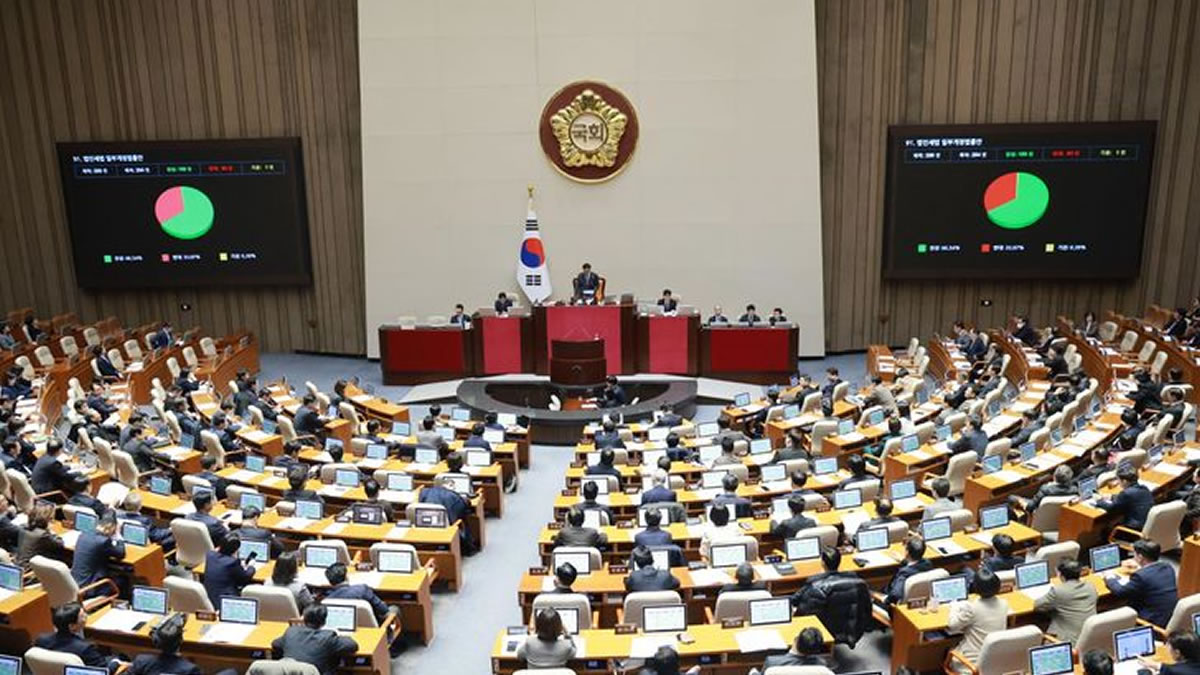
The South Korean government is set to collect significantly more tax revenue after the National Assembly approved a revision to the Tobacco Business Act, legally classifying e-cigarettes containing synthetic nicotine as tobacco products. Previously, the law only covered products derived from tobacco leaves, creating a loophole for lab-produced synthetic nicotine commonly used in vapes.
Under the new revision, the definition of tobacco now includes all parts of the tobacco plant and both natural and synthetic nicotine. This change allows the government to levy tobacco taxes on e-cigarettes, which officials estimate could generate approximately 1 trillion won ($680.9 million) annually. This additional revenue is seen as crucial for funding expansionary fiscal policies following significant national tax shortfalls in 2023 and 2024.
The Ministry of Economy and Finance stated that the tax on e-cigarettes will be implemented after a grace period, potentially lasting two years. This move aligns with the government's efforts to secure funding for the 2026 national budget, which has been set at 727.9 trillion won.

Digital Content Creator & Vape Industry Analyst
Jake Miller is a prominent voice in the American vaping community, known for his transparent, tech-focused approach to harm reduction and hardware innovation. With over six years of experience in the industry, Tyler transitioned from a hobbyist to a full-time content creator, building a loyal following through his unfiltered reviews and deep-dive technical tutorials.