




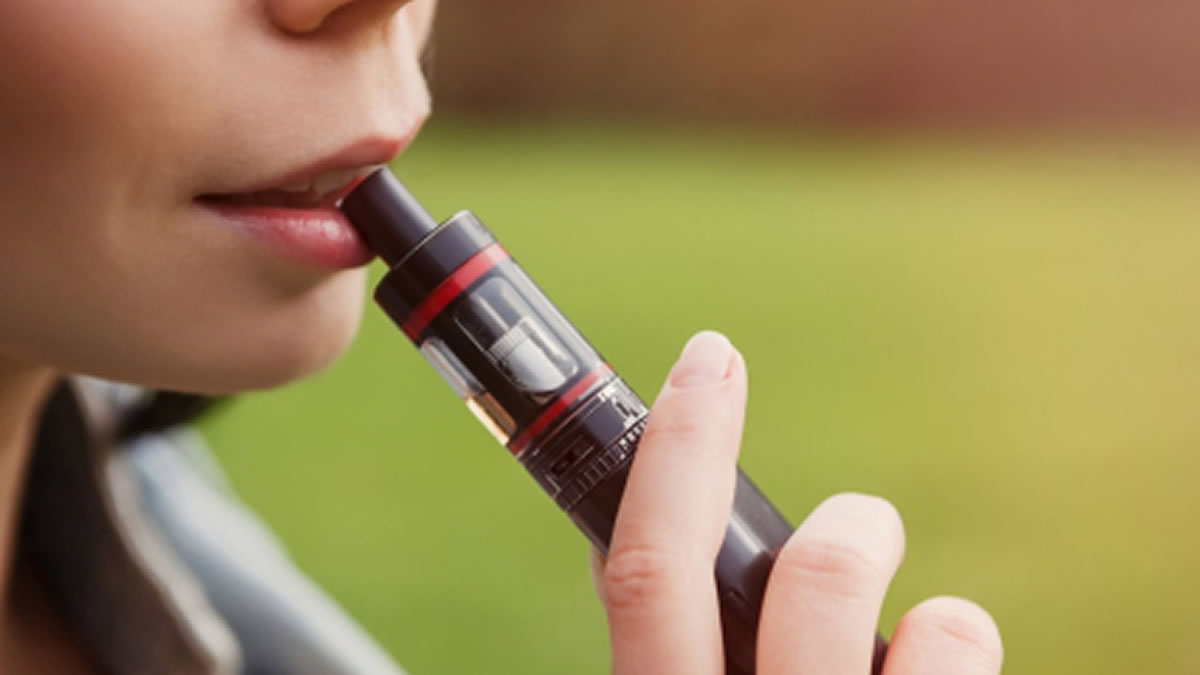
Spain's ruling PSOE party has introduced a non-legislative proposal (PNL) to ban the online sale of e-cigarettes and nicotine pouches. Citing alarming youth usage rates and environmental concerns, the measure aims to restrict sales to authorized physical channels and enforce stricter waste management protocols.
The regulatory landscape for nicotine products in Spain could soon face significant tightening. The Spanish Socialist Workers' Party (PSOE), currently leading the government, has registered a non-legislative proposal (PNL) in Congress. The core objective is clear: to drastically reinforce control over the commercialization of e-cigarettes and nicotine pouches. While a PNL does not immediately create binding law, it serves as a powerful political tool, similar to a parliamentary resolution in France, allowing lawmakers to formally recommend specific actions to the government and set a political agenda.
What is driving this push? The proposal is motivated by data that the PSOE describes as alarming. According to their findings, nearly 50% of adolescents aged 14 to 18 have experimented with e-cigarettes—the highest level ever recorded in available studies. This surge in youth usage is the primary catalyst for the proposed restrictions.
Beyond public health, the PNL heavily emphasizes the environmental toll of these products. The text highlights a growing ecological problem: disposable vaping devices, which contain lithium batteries and plastic, are frequently discarded outside of authorized collection systems. Although Spain introduced a specific tax on e-cigarettes in 2025, disposable devices remain legal, contributing to significant waste. Furthermore, the proposal points out a regulatory void concerning nicotine pouches, noting that these products currently fall outside the strict rules applied to pharmaceutical nicotine replacement therapies.
To address these dual crises of youth access and environmental waste, the PSOE proposes a strict limitation on sales channels. The plan would restrict the sale of vaping products and nicotine pouches exclusively to "authorized channels," effectively banning online sales. This move aims to centralize control, making it easier to enforce age verification, fiscal traceability, and environmental standards.
The proposal also targets the industry's wallet regarding waste management. It calls for mandatory financing of waste collection by manufacturers, ensuring a system where consumers can return used devices for free. Additionally, the PNL demands intensified inspections of authorized retail points—especially non-specialized shops—and harsher sanctions for any vendor caught selling to minors.
While the PNL is somewhat vague on defining exactly which "authorized channels" would remain, the move could inadvertently benefit Spain's network of tobacconists (estancos) by reducing the number of legal retail points. This mirrors recent legislative debates in France, where amendments have been proposed to grant tobacconists a monopoly on nicotine pouches. However, public health organizations like the National Committee Against Tobacco (CNCT) in France have argued that such monopolies do not necessarily guarantee better compliance, citing frequent infractions in age verification at tobacconists. Instead, experts often recommend a combination of banning online sales and implementing a strict licensing system for physical retailers.

Meet Nick Schager, the co-founder of our vaping website. With a solid foundation of over 10 years in the industry, Nick brings an unparalleled depth of knowledge, having an extensive understanding of more than 1000 vaping products.
