




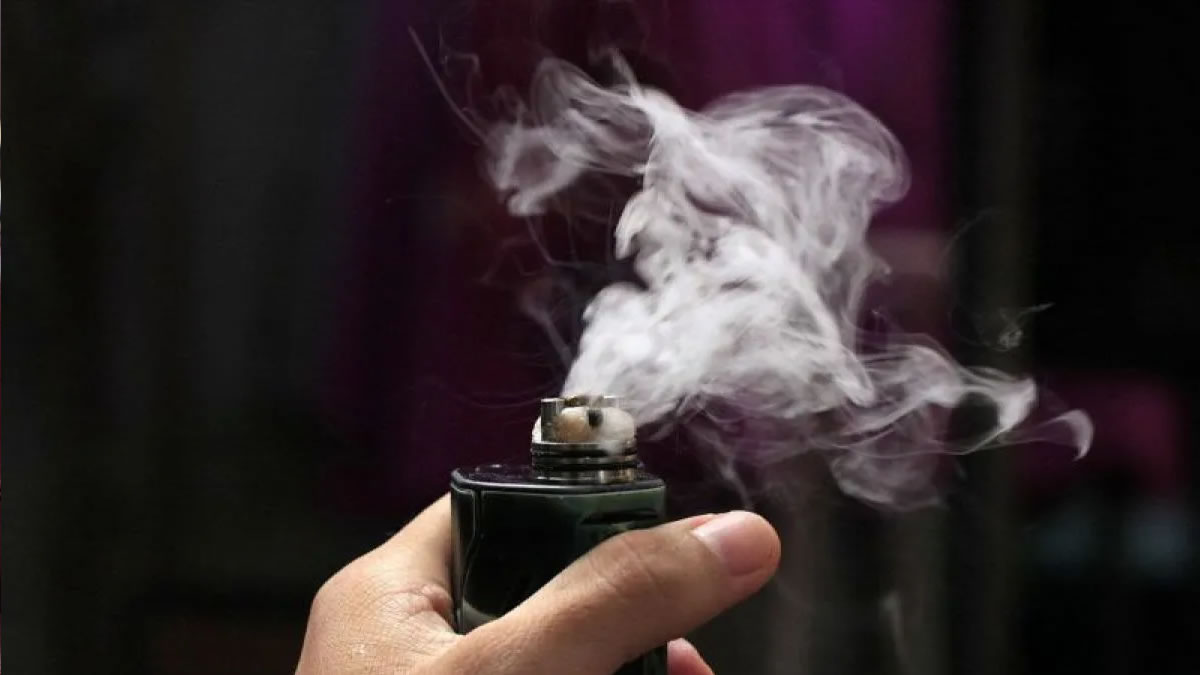
The East Java branch of the Indonesian Ulema Council (MUI Jatim) has issued Fatwa No. 1 of 2026, declaring the abuse of e-cigarettes for drug consumption religiously forbidden. This religious ruling has gained support from Indonesian vape retail and consumer advocacy groups, who view it as a step toward stopping drug syndicates from exploiting vapor technology.
While supporting the fatwa, industry representatives stress the need to separate legitimate commercial operations from criminal activities. Fachmi Kurnia, Chairman of the Indonesian Vape Retail Association (ARVINDO), agreed with the religious ruling on narcotics but urged the public and regulators to protect law-abiding businesses and adult consumers.
"We agree with MUI East Java; whatever the medium, drugs are forbidden in religion," Kurnia stated. "This fatwa serves as momentum to clearly separate the legal, compliant industry from illegal actors."
Black Market Origins of Drug-Laced Vapes
According to ARVINDO, vaporizers used for drug consumption are modified devices sourced outside the legitimate supply chain. Kurnia noted that cyber operations and physical raids conducted by the National Narcotics Agency (BNN) have never uncovered drug-laced products in licensed vape stores.
"The devices used for drugs are typically supplied by criminal syndicates," Kurnia added. "The public must understand that this fatwa does not target legal vape products circulating in the official market."
To prevent negative economic impacts on the legal sector, ARVINDO is calling for long-term collaboration between MUI East Java, BNN, the police, the Food and Drug Authority (BPOM), and the Directorate General of Customs and Excise to stop the online sale of adulterated e-liquids.
Call for Targeted Distribution Control
The Indonesian Vape Consumer Association (AKVINDO) also backed the health-oriented goals of the fatwa. However, AKVINDO Chairman Paido Siahaan pointed out that the root issue is drug trafficking, not legal e-cigarettes that comply with national safety standards and pay excise taxes.
"Mitigation efforts should focus on eradicating drug trafficking and seizing illegal, modified products, rather than generalizing all legal vape products," Siahaan said.
Siahaan emphasized that legal vapor products operate within a regulated ecosystem. Tightening distribution controls allows authorities to address drug abuse without harming legal businesses and the jobs they support. AKVINDO recommends the following measures to protect the legal market:
- Tighten distribution chains to prevent minors and illicit actors from accessing vaping hardware.
- Strengthen field enforcement targeting online sales of counterfeit or adulterated e-liquids.
- Form joint task forces involving BNN, police, BPOM, and customs.

Meet Nick Schager, the co-founder of our vaping website. With a solid foundation of over 10 years in the industry, Nick brings an unparalleled depth of knowledge, having an extensive understanding of more than 1000 vaping products.
