




Turkish Health Minister Kemal Memişoğlu announced that Turkey now ranks second in the world for smoking rates, prompting the ministry to prepare new legal restrictions on designated smoking areas. The announcement comes as domestic tobacco consumption reached 150 billion tax-stamped cigarettes in 2024, resulting in more than 100,000 deaths each year.
"Unfortunately, one in every three people—33 percent of our population—uses tobacco," Memişoğlu stated during a public health address. He also reported that Turkey ranks first globally in the incidence of lung cancer among men, directly driven by early tobacco initiation.
Underage Access and the Rise of Disposable Vapes
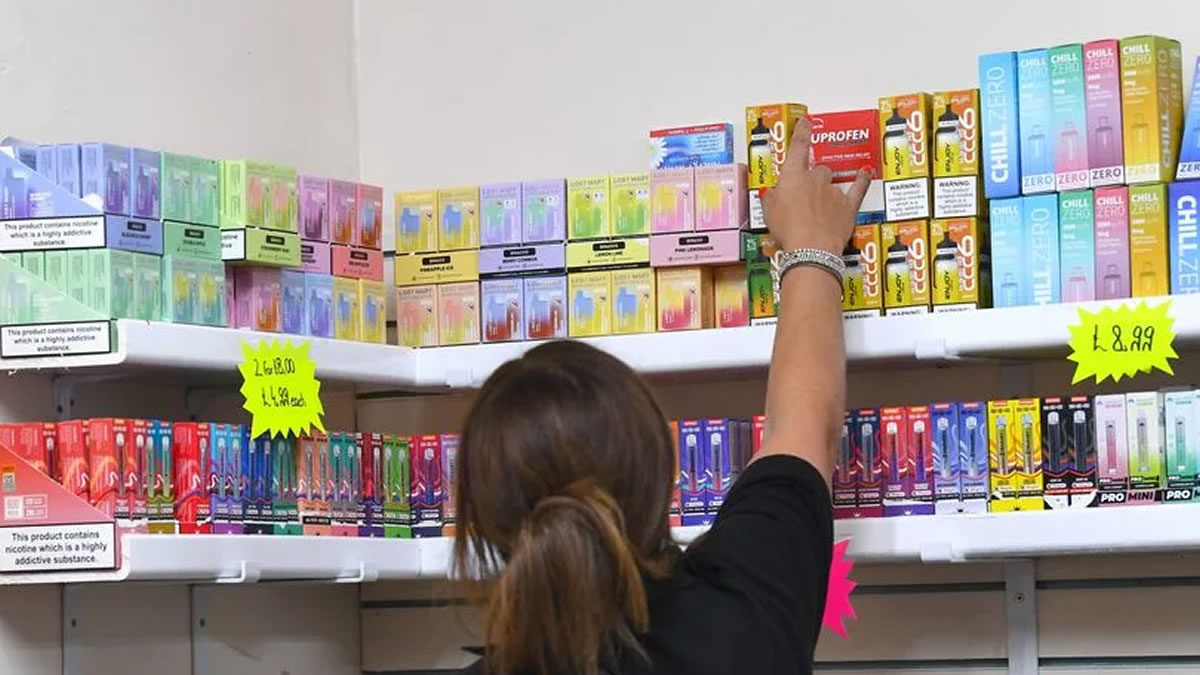
Ministry data indicates that over half of Turkish smokers adopt the habit before turning 18. Among children aged 13 to 15 who smoke, 73.3% report purchasing tobacco products without being asked for identification. Memişoğlu warned that the influx of novel nicotine devices has compounded the problem.
"Today we also face new products like electronic cigarettes and puffs," Memişoğlu said. "They are offered to our youth under different names and varied packaging. It is claimed that they are less harmful, but these products carry serious health risks. We must not view any of them as an innocent habit."
To eliminate direct retail access, the ministry is advocating for a nationwide electronic age verification system for tobacco transactions. According to data from the Turkish Green Crescent (Yeşilay), 90% of Turkish citizens support mandatory electronic ID checks for tobacco sales.
Free Cessation Services and State Support
While drafting stricter public space regulations for parliamentary approval, the Health Ministry is expanding medical exit ramps for addicted citizens. Turkey currently operates 1,910 smoking cessation clinics nationwide, offering remote consultations through the Central Physician Appointment System (MHRS).
The ministry provides cessation medications free of charge to patients evaluated by clinic physicians. Ongoing support and behavioral tracking are also offered through the national ALO 171 quitline. Memişoğlu stressed that societal cooperation between families, educators, and shopkeepers is required alongside state healthcare resources to reverse national consumption rates.

