



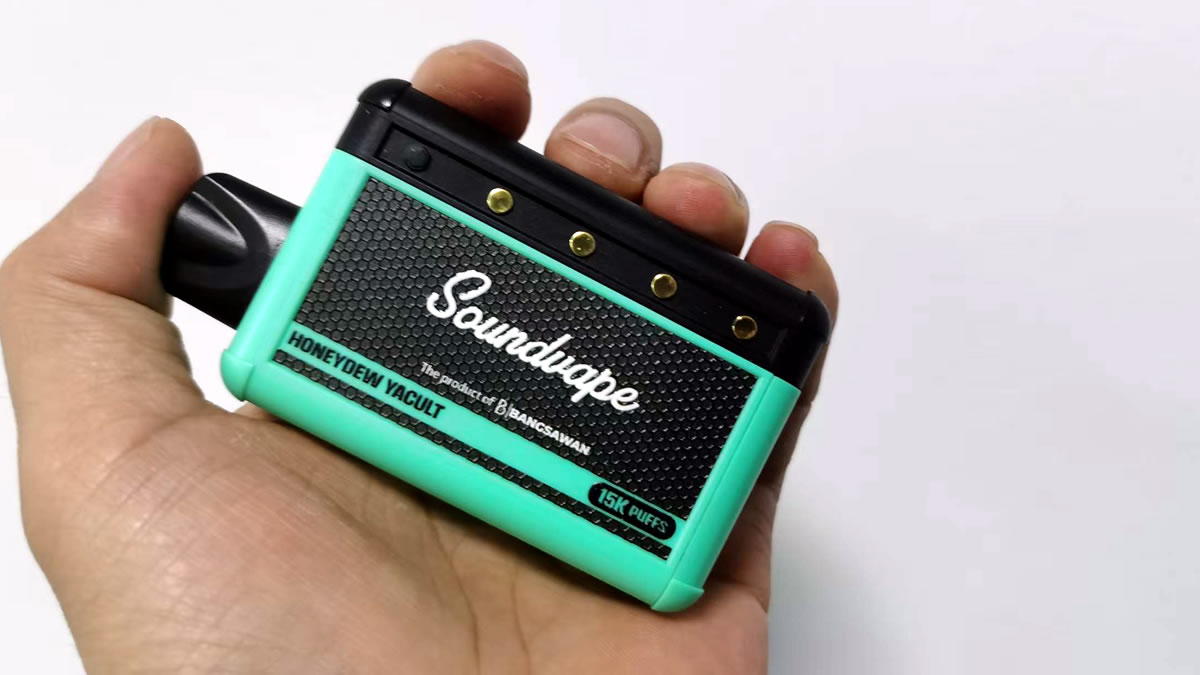
Thai authorities treat electronic cigarettes as prohibited goods rather than personal leisure devices. International visitors arriving at international airports face immediate confiscation, formal police questioning, steep financial fines, and potential criminal detention before clearing customs inspections.
The regulatory framework governing e-cigarettes covers importation, local possession, personal consumption, commercial sale, and unlicensed distribution. Foreign travelers receive no special exemptions for personal use, making pre-travel compliance essential for anyone visiting the country.
Understanding Thailand's E-Cigarette Ban at Border Checkpoints
Thailand maintains an absolute prohibition on electronic cigarettes, e-liquids, vaporizers, and traditional baraku (shisha) equipment. Official policy dictates that these restrictions apply at every port of entry, including international airports, maritime harbors, and land borders.
According to the Thai government's e-cigarette prohibition guidance, the state views the entry of any vaping device as an unlawful importation act. Casual travel forums often promote outdated or inaccurate advice suggesting enforcement is relaxed, but administrative and criminal enforcement protocols remain fully active.
Airport Inspections and Illegal Importation Classifications
Thai Customs Department officers examine checked baggage, carry-on bags, and personal carry items at entry points. When customs officers detect a vape device, the matter falls under national customs legislation rather than simple airport safety guidelines.
Under Thai customs regulations, the maximum legal penalty for importing prohibited goods includes up to 10 years in prison, a fine up to five times the market value of the item, or both. Customs agents maintain statutory authority to seize devices, replacement pods, liquid bottles, chargers, and transport cases.
While maximum custodial sentences represent statutory ceilings reserved for severe cases, the initiation of a formal customs report can interrupt travel itineraries, void tourist visas, and lead to temporary administrative detention.
Why Disassembling Devices Does Not Prevent Seizure
Some travelers attempt to bypass border detection by separating vape hardware, placing batteries in hand luggage, and packing tanks or e-liquids alongside toiletries in checked baggage. Customs inspectors recognize these configurations.
Dismantling a vape device does not alter its legal classification under Thai import laws. Instead, carrying concealed or disassembled components can complicate interactions with customs officers, increasing the likelihood of formal interrogation and thorough baggage searches.---
Possession vs. Public Use: Breaking Down Legal Liabilities
Travelers who bypass border detection without incident still face exposure to Thai law enforcement throughout their stay. Thai law separates physical possession from public consumption, meaning an individual can face prosecution without ever activating a device in public view.
Possession Risks Under the Customs Act
Under Section 246 of the Customs Act B.E. 2560 (2017), acquiring, receiving, or possessing goods that entered Thailand without lawful customs clearance constitutes an offense. Because e-cigarettes cannot legally clear customs, holding one inside the country exposes the user to direct liability.
The statute establishes maximum penalties of up to five years imprisonment, a fine equal to four times the total value of the goods (including applicable taxes), or both. Authorities apply this rule regardless of whether the possessor purchased the item abroad or obtained it locally from an unauthorized vendor.
Public Vaping Violations Under Tobacco Control Laws
Using an electronic cigarette in public spaces introduces secondary legal complications under the Tobacco Products Control Act B.E. 2560 (2017). This legislation regulates smoking behavior in designated public environments, transportation hubs, parks, hospitality venues, and commercial centers.
Individuals caught using nicotine vapor devices in smoke-free zones face on-the-spot administrative fines of up to 5,000 baht. This public-use fine is assessed independently of any underlying charges tied to unlawful possession or import.
Moving indoors does not guarantee legal safety. Hotel management, private business owners, and residential landlords retain the legal right to report vaping activity on their premises to local police, removing the expectation of privacy.---
Statutory Penalties: Comparing Import, Possession, and Commercial Activity
The table below summarizes the legal foundations, applicable conduct, and statutory maximum penalties established by Thai legislation regarding electronic cigarettes and related accessories.
| Prohibited Conduct | Governing Legislation | Maximum Legal Penalty |
|---|---|---|
| Importing Devices or Liquids | Customs Act B.E. 2560 | Up to 10 years imprisonment, fine up to 5x item value, or both |
| Possessing / Receiving Products | Customs Act B.E. 2560 (Section 246) | Up to 5 years imprisonment, fine up to 4x item value, or both |
| Public Vaping (Nicotine) | Tobacco Products Control Act B.E. 2560 | Administrative fine of up to 5,000 baht |
| Commercial Sale & Distribution | Consumer Protection Board Orders | Up to 3 years imprisonment, fine up to 600,000 baht, or both |
These figures represent upper legal boundaries rather than flat fees. Actual outcomes vary depending on the investigating agency, the quantity of goods involved, and the specific circumstances of the encounter.
Police Crackdowns on Domestic Vape Sales and Supply Networks
Enforcement activity across Thailand extends beyond international arrival halls. Royal Thai Police units conduct regular operations against physical shops, open-air night markets, private delivery channels, and digital storefronts selling illicit vape inventory.
Recent police operations demonstrate that enforcement is active nationwide, not just in central Bangkok. An arrest over e-cigarette sales near a Chiang Rai school highlighted targeted municipal efforts to prevent youth access to vaping supplies in provincial districts.
Similarly, a Chiang Rai online vape business raid resulted in the seizure of substantial inventory, electronic records, and financial assets tied to illicit distribution. These ongoing operations mean that tourists attempting to buy replacement hardware or e-liquids from local vendors risk walking into active police investigations.
Practical Protocols: What to Do If Stopped by Police or Customs
Interactions with Thai law enforcement or customs officers require composure and immediate adherence to standard administrative protocols to prevent escalation.
Conduct During Questioning and Seizure
When an officer identifies a vape device during a luggage check or street encounter, travelers must observe specific behavioral guidelines:
- Maintain Professional Demeanor: Do not argue with officers, attempt physical resistance, or display aggressive behavior.
- Provide Accurate Information: Avoid offering false names, falsified travel details, or contradictory statements regarding ownership.
- Request Interpretation: If formal administrative documents are presented, ask for an official interpreter before signing statements written exclusively in Thai.
Accessing Consular Assistance and Legal Counsel
If an encounter progresses beyond routine product confiscation to formal detention or criminal indictment, travelers should request immediate contact with their home nation's embassy or consulate in Thailand. Consular officers provide lists of qualified local attorneys and monitor procedural fairness.
The Tourist Police Bureau operates a dedicated national emergency call center reachable at 1155. This service provides multi-language translation support to help foreign nationals communicate during initial police interactions. However, tourist police operators serve as administrative liaisons, not formal defense counsel.
Essential Travel Precautions for International Visitors
The only reliable method to avoid legal exposure is to remove all vaping merchandise from travel itineraries before departing for Thailand. Travelers must audit their belongings to ensure complete compliance.
Pre-Departure Packing Audits
Before leaving for the airport, travelers should inspect all luggage compartments, backpacks, and personal pouches. Check for:
- Pre-filled and refillable pod systems
- Box mods, external batteries, and mechanical devices
- Bottles of nicotine e-liquid and nicotine-free flavor bases
- Replacement coils, atomizer decks, and specialized maintenance tools
Airport Transit and Connection Risks
Travelers booking connecting flights through Thai aviation hubs must evaluate their transit arrangements carefully. Passing through Bangkok (Suvarnabhumi or Don Mueang) or Phuket on itineraries requiring baggage collection, terminal transfers, or immigration clearance brings personal belongings under direct Thai customs authority.
Even airside passengers remaining within international transit lounges risk baggage inspection during intermediate security screenings. The assumption that transit status waives national import rules is legally unfounded.
Medical Nicotine Alternatives
Travelers managing nicotine dependency should consult medical professionals or pharmacists prior to departure to identify compliant cessation aids. Standard nicotine replacement therapies, such as transdermal patches and medicinal gums, generally fall under different regulatory classifications than electronic vaporizers.
However, travelers carrying specialized prescription medicines must verify specific Thai Food and Drug Administration (FDA) import permit guidelines prior to arrival to confirm compliance.
Frequently Asked Questions About Thai Vaping Regulations
-
Can tourists bring one vape into Thailand for personal use?
No. Thai law does not provide personal-use exemptions for incoming tourists. Customs authorities classify single devices, open pods, and personal e-liquids as prohibited imports subject to seizure and penalties.
-
Is vaping permitted inside private hotel rooms?
Private settings do not provide legal immunity from possession statutes. Section 246 of the Customs Act applies nationwide, and hotel operators may report unauthorized device use or assess steep property damage cleaning fees.
-
Are zero-nicotine e-cigarettes legal in Thailand?
No. The ban targets the electronic vaporizing mechanism, related hardware, and delivery formulations as a broad product category, regardless of declared nicotine concentration.
-
What happens if a traveler voluntarily surrenders a vape at customs?
Voluntarily declaring and surrendering an e-cigarette to customs officers upon arrival before entering inspection lanes can reduce the risk of formal prosecution, though confiscation of the equipment is guaranteed.
-
Can visitors buy vapes safely from street markets in Thailand?
No. All commercial transactions involving e-cigarettes are illegal under Consumer Protection Board directives. Buying from local street vendors or messaging apps exposes buyers to police scrutiny and defective, unregulated hardware.

Digital Content Creator & Vape Industry Analyst
Jake Miller is a prominent voice in the American vaping community, known for his transparent, tech-focused approach to harm reduction and hardware innovation. With over six years of experience in the industry, Tyler transitioned from a hobbyist to a full-time content creator, building a loyal following through his unfiltered reviews and deep-dive technical tutorials.